


Can ChatGPT analyze my face? Try this real-time AI alternative — GlamAR


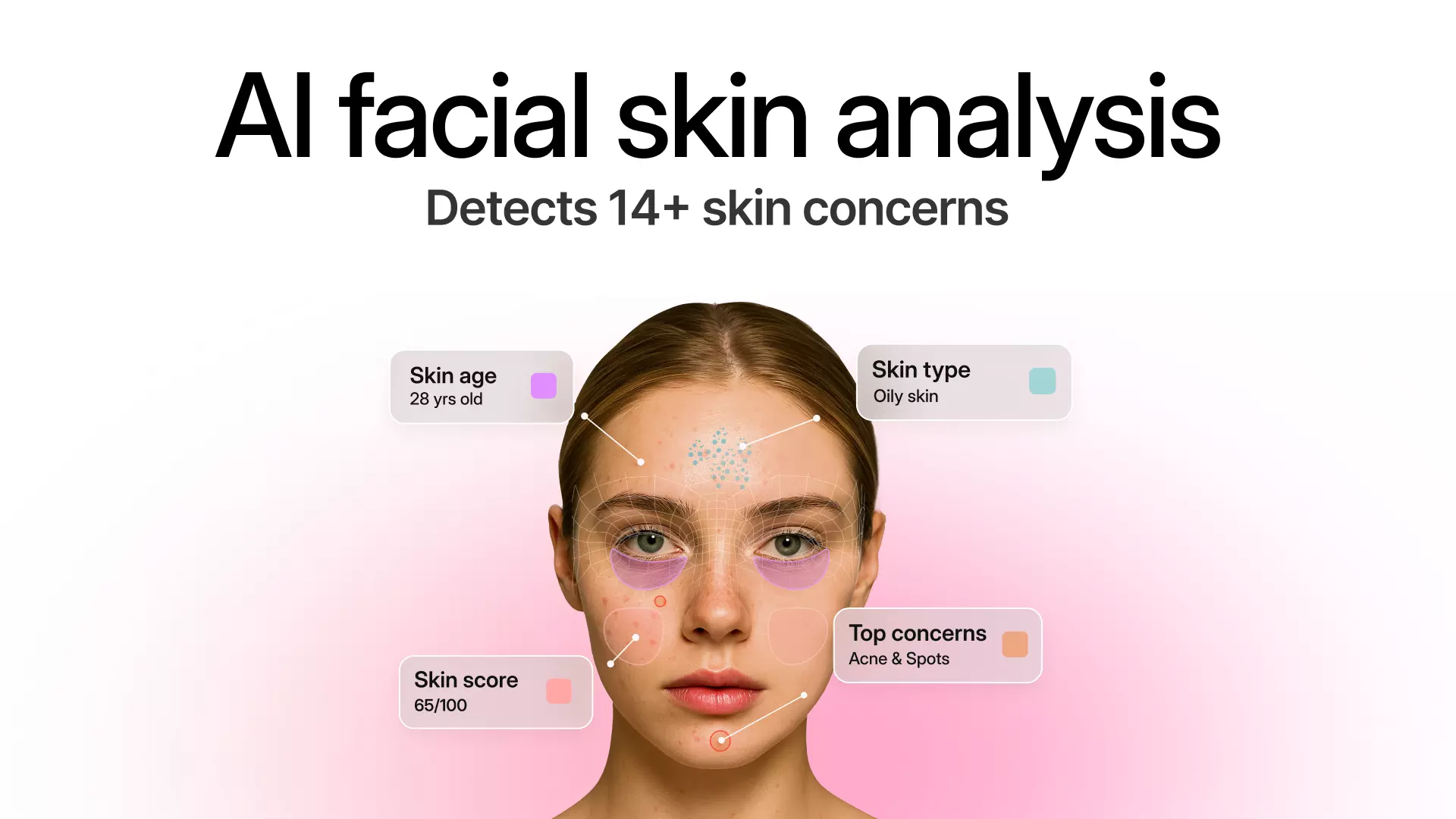
The rise of AI has sparked curiosity around face reading, AI face analysis, and whether tools like ChatGPT can actually analyze skin. ChatGPT, being an impressive tool for language-based tasks, has basic image interpretation that is far from what skincare, beauty, or dermatology brands require.
That’s where GlamAR’s AI Facial Skin Analysis stands out, a real-time, precision-built face analysis platform crafted for beauty brands that depend on accuracy, personalization, and measurable outcomes.
ChatGPT’s face analysis: Conversational, not clinical
GPT-4o can “look” at images, but it interprets them broadly. It doesn’t evaluate skin biomarkers or health indicators, nor does it measure anything at a scientific or quantifiable level.
{{transform="/internal/widgets"}}
What different versions of ChatGPT can (and cannot) do:
- GPT-3.5 (Free Tier): Text-only. Cannot analyze images.
- GPT-4 (Pro Tier): Limited image recognition, still no clinical scoring.
- GPT-4o (Multimodal): Accepts selfies, offers descriptive feedback, but cannot quantify skin health or measure concerns accurately.
- GPT-5 (Multimodal): Understands advanced facial detail and context awareness. Can describe skin texture, tone variations, and symmetry, but still cannot perform clinical scoring or dermatology-grade measurements.
- GPT-5.1: Enhanced multimodal reasoning. More accurate at identifying subtle facial cues, lighting effects, and visible texture differences. Still descriptive only.
- GPT-5.2 (Latest Multimodal): Provides the strongest facial analysis, highest accuracy for appearance description, and best visual interpretation, but still unable to produce quantified skin scores, pore/wrinkle depth measurements, or clinical evaluations.
In short, ChatGPT gives you opinions — not analysis.
It cannot tell you:
- Quantitative skin condition scoring (wrinkles, hydration, pores, pigmentation).
- Clinical assessment of dermatological conditions.
- Proprietary skin health markers (e.g., UV spots, dark spots).
ChatGPT is conversational intelligence — not a face analysis API capable of powering commercial skincare tools.
.webp)
How GlamAR’s AI Facial Skin Analysis is different
GlamAR is built specifically for real-time, multi-dimensional facial analysis, trained and validated using dermatology-grade datasets — not general internet images.
{{component="/internal/widgets"}}
What powers GlamAR’s accuracy:
- 3+ million dermatologist-labeled data points
- 150+ facial biomarkers evaluated per scan
- 94 advanced algorithms powering analysis and recommendations
- Real-time facial scanning, not static image guesses
- 14+ key skin concerns detected, including spots, wrinkles, oiliness, acne, pores, dark circles, and more
These capabilities allow GlamAR to turn face reading into science-backed, quantified AI face analysis that brands can trust.
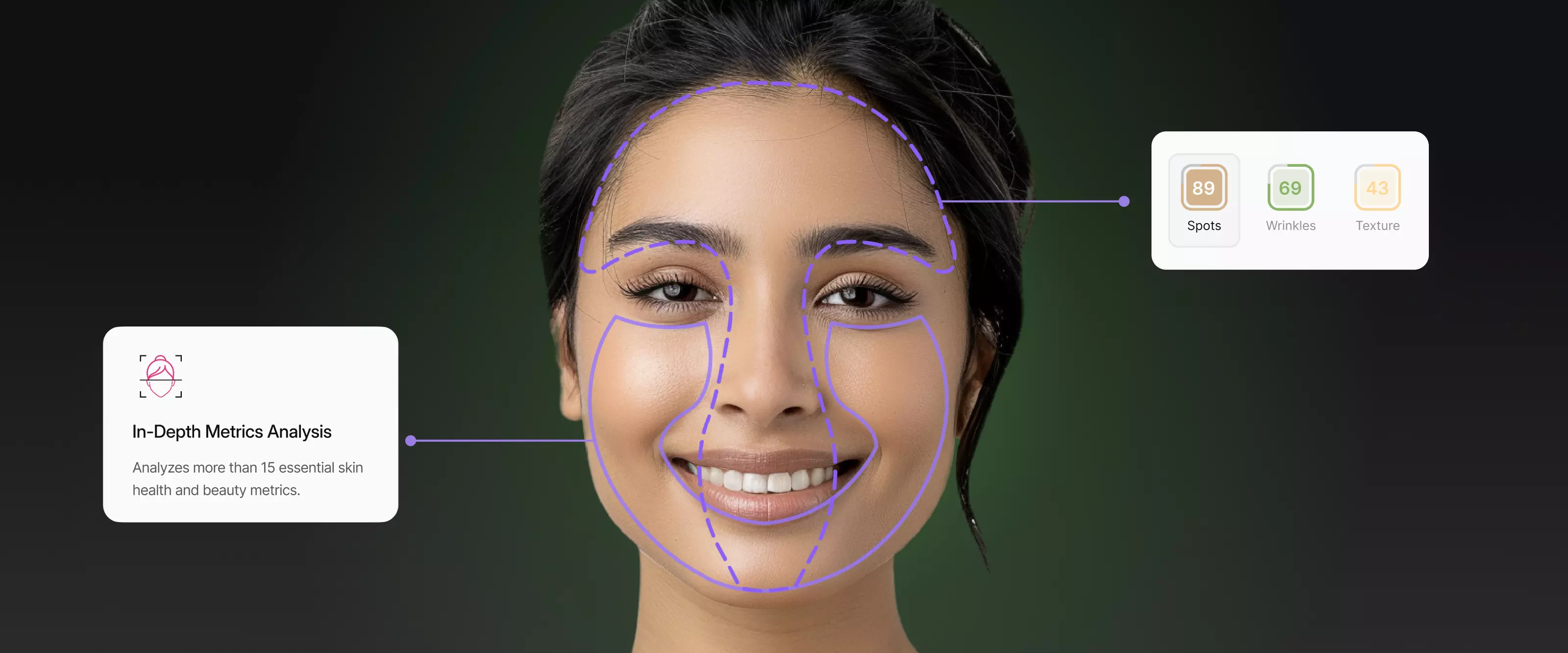
How GlamAR stands apart from other skin analysis solutions
Most AI skin tools only ask for a single photo and return a surface-level interpretation. GlamAR goes much deeper.With GlamAR, brands get:
- Real-time facial analysis
- Advanced biomarker detection
- Numeric scoring for transparency
- AI-powered skincare product recommendations
- Seamless SDKs for iOS, Android, and Web
- Ready-to-use APIs for instant integration
- Direct plug-ins for Shopify and other commerce platforms
This makes GlamAR the ideal Face Analysis ChatGPT alternative for businesses that want deeper accuracy, not approximations.
ChatGPT vs GlamAR AI Face Analysis
Why ChatGPT isn’t enough for real skin analysis
ChatGPT is exceptional for conversation, education, and explanations — but it lacks:
- Clinical-grade image processing
- Biometric precision
- Real-time facial analysis
- Dermatology-specific datasets
- Actionable skincare recommendations
- Platform integrations that support enterprise growth
GlamAR bridges the gap between AI conversation and scientific skin evaluation, making it the most reliable and flexible face analysis API for brands of all sizes.
And because it’s available through iOS, Android, and Web SDKs, and integrates effortlessly with Shopify and all major eCommerce stacks, GlamAR scales effortlessly across mobile apps, online stores, kiosks, and in-store digital experiences.
{{transform="/internal/widgets"}}
Conclusion
GlamAR makes it simple for brands to deliver accurate, real-time skin assessments, anywhere customers shop.Explore GlamAR’s AI Facial Skin Analysis and bring personalized skincare experiences to your business with ease.
ChatGPT can describe what it sees in an image, but it cannot perform clinical or commercial-grade facial skin analysis. It doesn’t measure biomarkers like pores, oiliness, hydration, or texture. ChatGPT’s face analysis is descriptive, not diagnostic.
GlamAR is built specifically for AI face analysis and trained on 3+ million datasets. It evaluates over 150 biomarkers in real time and gives numerical scores, visual overlays, and personalized skincare recommendations.
Absolutely. GlamAR provides iOS, Android, and Web SDKs, and developers can integrate the face analysis experience into apps, websites, kiosks, and more with minimal setup. It also supports Shopify, Magento, WooCommerce, and major e-commerce platforms.
GlamAR is trained on 3+ million dermatology-labeled data points and uses 94 algorithms to analyze more than 150 facial biomarkers. It detects 14+ skin concerns with high precision, making it reliable for beauty and skincare applications.
Brands use GlamAR to offer personalized skincare journeys, increase conversions, and decrease returns, gather insights, and build more accurate, data-driven product lines. GlamAR’s SDKs and APIs make it easy to scale across web, mobile, and retail environments.
If you need real, quantifiable, accurate skin analysis, GlamAR is the clear choice. ChatGPT is great for conversation, but GlamAR is built for measurement, visualization, and recommendation, exactly what beauty brands need.
Discover how AR, VR and 3D can drive revenue growth in 2025
Schedule a call with our team